Common Unit Conversion Mistakes and How to Avoid Them
Unit conversion is something most people encounter regularly, whether they’re cooking a meal, traveling abroad, studying science, working in engineering, or managing construction projects. While converting measurements may seem straightforward, even small mistakes can lead to significant problems.
A simple conversion error can result in incorrect calculations, wasted materials, inaccurate scientific results, financial losses, or even safety risks. From confusing kilograms with pounds to mixing up Celsius and Fahrenheit, conversion mistakes happen more often than many people realize.
Understanding these errors and learning how to avoid them can save time, money, and frustration. This guide explores the most Common Unit Conversion Mistakes and provides practical solutions to ensure accurate measurements every time.
Why Unit Conversion Accuracy Matters
Measurement systems are used in nearly every industry and daily activity. Accurate conversions help ensure consistency, safety, and reliability.
Examples include:
- Construction projects requiring precise dimensions
- Medical professionals calculating medication dosages
- Engineers designing machinery
- Travelers interpreting distances and temperatures
- Students solving scientific equations
- Cooks following recipes from different countries
Even a minor conversion error can produce inaccurate results that affect an entire project.
Understanding Measurement Systems
Before discussing mistakes, it’s important to understand the two major measurement systems used worldwide.
Metric System
The metric system includes:
- Millimeters (mm)
- Centimeters (cm)
- Meters (m)
- Kilometers (km)
- Grams (g)
- Kilograms (kg)
- Liters (L)
Most countries use the metric system because it is based on powers of ten.
Imperial System
The imperial system includes:
- Inches
- Feet
- Yards
- Miles
- Ounces
- Pounds
- Gallons
Countries like the United States still use many imperial measurements.
Many conversion mistakes occur when people switch between these systems.
1. Confusing Metric and Imperial Units
One of the most Common Unit Conversion Mistakes is mixing metric and imperial measurements.
Example
A person may assume:
- 1 kilometer = 1 mile
However:
- 1 kilometer = 0.621 miles
- 1 mile = 1.609 kilometers
This mistake can significantly affect travel distances and project calculations.
How to Avoid It
- Always verify which measurement system is being used.
- Double-check labels and specifications.
- Use reliable conversion tools.
National Institute of Standards and Technology
National Institute of Standards and Technology (NIST)
2. Using Incorrect Conversion Factors
Many people memorize conversion numbers incorrectly.
Example
Some individuals mistakenly believe:
- 1 inch = 2 cm
The correct conversion is:
- 1 inch = 2.54 cm
Although the difference seems small, repeated calculations can create substantial errors.
How to Avoid It
- Use verified conversion charts.
- Avoid relying solely on memory.
- Keep trusted conversion references available.
3. Forgetting to Convert Units Completely
People often convert only part of a measurement while leaving another component unchanged.
Example
Converting speed:
- 60 miles per hour
Some users convert miles to kilometers but forget to account for the “per hour” component properly.
How to Avoid It
Always examine the entire unit expression before converting.
4. Temperature Conversion Errors
Temperature conversion frequently causes confusion.
Common Mistake
Many people assume:
- Celsius and Fahrenheit scales increase at the same rate.
In reality, they use different starting points and scales.
Example
- 0°C = 32°F
- 100°C = 212°F
How to Avoid It
Use the correct formulas:
Fahrenheit = (Celsius × 9/5) + 32
Celsius = (Fahrenheit − 32) × 5/9
Never estimate temperature conversions when precision matters.
5. Misplacing Decimal Points
Decimal placement errors are among the most dangerous conversion mistakes.
Example
Converting:
- 500 milligrams
Incorrectly written as:
- 5 grams
Correct conversion:
- 0.5 grams
A simple decimal mistake can create major problems, particularly in healthcare and engineering.
How to Avoid It
- Review calculations carefully.
- Use digital conversion tools.
- Verify decimal placement before finalizing results.
6. Confusing Area and Length Conversions
Many people mistakenly apply length conversions directly to area measurements.
Example
Since:
- 1 meter = 100 centimeters
Some assume:
- 1 square meter = 100 square centimeters
This is incorrect.
The correct conversion is:
- 1 square meter = 10,000 square centimeters
How to Avoid It
Remember that area measurements require squaring the conversion factor.
7. Confusing Volume and Length Units
Volume measurements involve cubic dimensions rather than linear dimensions.
Example
Many users misunderstand the relationship between:
- Cubic meters
- Liters
Correct conversion:
- 1 cubic meter = 1,000 liters
How to Avoid It
Always identify whether the measurement represents:
- Length
- Area
- Volume
Each requires different conversion methods.
8. Rounding Too Early
Early rounding can produce inaccurate final results.
Example
Suppose:
- 1 mile = 1.60934 kilometers
If rounded immediately to:
- 1.6 kilometers
Errors can accumulate over multiple calculations.
How to Avoid It
- Use full precision during calculations.
- Round only when presenting the final answer.
9. Ignoring Unit Labels
Many mistakes occur because people focus only on numbers while ignoring units.
Example
A specification may state:
- 50 mm
Someone may accidentally read it as:
- 50 cm
This creates a tenfold error.
How to Avoid It
Always read:
- Numbers
- Unit symbols
- Measurement descriptions
as a complete package.
10. Using Outdated Conversion References
Not all online resources provide accurate information.
Problems
- Incorrect formulas
- Typographical errors
- Outdated references
How to Avoid It
Use:
- Reliable calculators
- Reputable educational sources
- Trusted conversion tools
How to Prevent Common Unit Conversion Mistakes

The best way to avoid Common Unit Conversion Mistakes is to verify conversion factors, double-check calculations, and use trusted online conversion tools. Taking a few extra seconds to review measurements can prevent costly errors.
Real-World Consequences of Unit Conversion Mistakes
Conversion errors can have serious consequences.
Construction Industry
Incorrect measurements can result in:
- Structural issues
- Material waste
- Increased costs
Healthcare
Medication dosage errors may affect patient safety.
Manufacturing
Improper conversions can lead to defective products.
Science and Research
Inaccurate measurements compromise experimental results.
Travel
Distance and temperature misunderstandings may create confusion and inconvenience.
Best Practices for Accurate Unit Conversions
Following a few simple habits can dramatically reduce mistakes.
Double-Check Every Calculation
Always verify your work before using converted values.
Use Online Conversion Tools
Reliable conversion calculators reduce human error.
Keep Conversion Charts Handy
Quick references improve accuracy and efficiency.
Understand the Units
Know what each unit measures before converting.
Review Decimal Placement
Decimal errors are among the most common sources of mistakes.
Verify Results
If a conversion result seems unusual, check it again.
Why Common Unit Conversion Mistakes Happen
Many Common Unit Conversion Mistakes happen because people rush calculations, use incorrect conversion factors, or misunderstand measurement systems. Whether working with length, weight, temperature, or volume, even small errors can create inaccurate results.
Common Unit Conversion Mistakes in Everyday Life
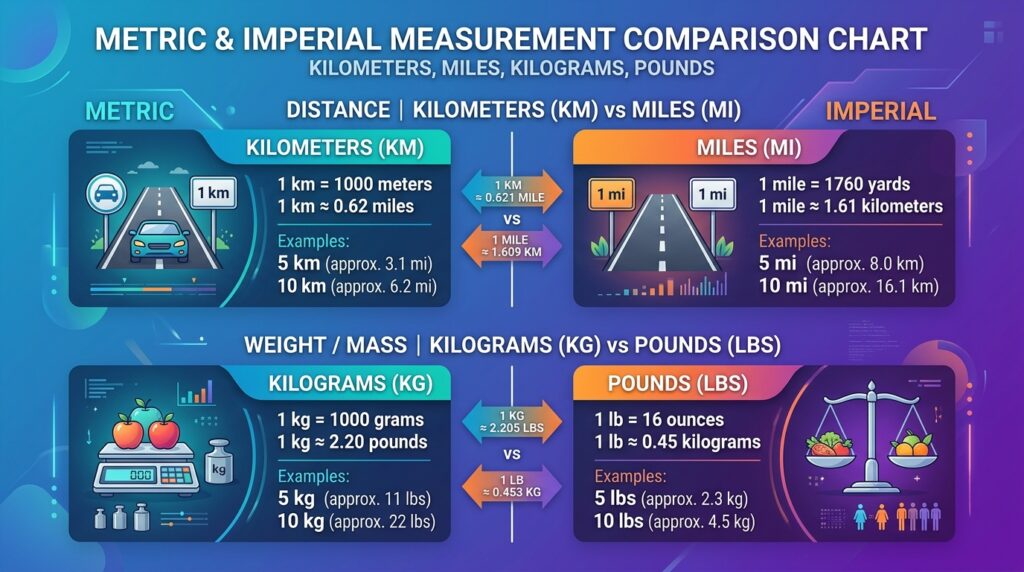
Many Common Unit Conversion Mistakes occur during cooking, travel planning, fitness tracking, and home improvement projects. People often confuse metric and imperial units, leading to incorrect measurements and unexpected results.
Benefits of Using Online Unit Conversion Tools
Modern conversion tools offer several advantages.
Speed
Results appear instantly.
Accuracy
Automated calculations reduce mistakes.
Convenience
Tools are available on any device.
Multiple Categories
Many platforms support:
- Length
- Weight
- Area
- Volume
- Temperature
- Speed
- Pressure
Easy Accessibility
No advanced mathematical skills are required.
Technology Helps Reduce Common Unit Conversion Mistakes
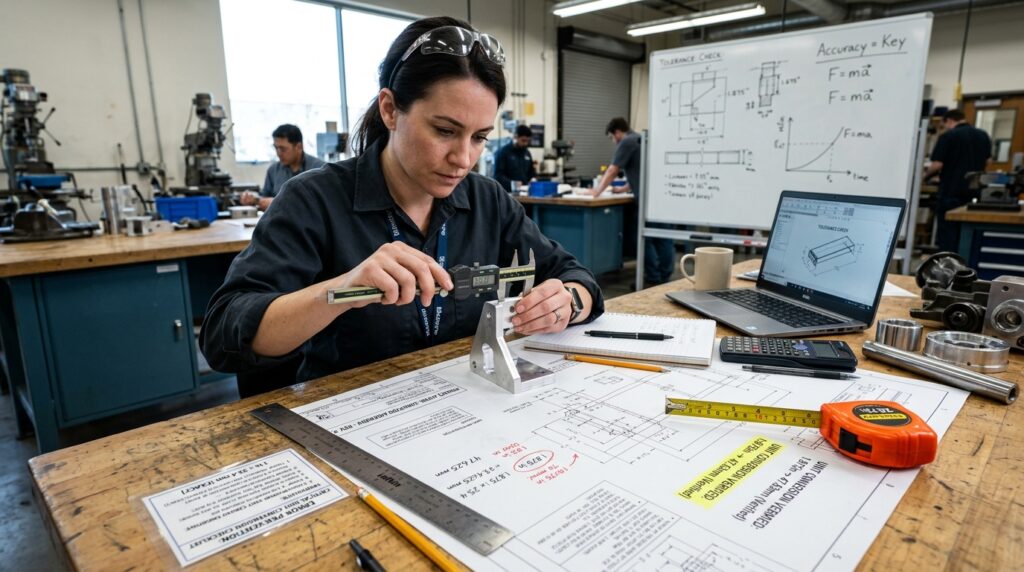
Modern software and online calculators help reduce Common Unit Conversion Mistakes by providing instant and accurate results. These tools minimize human error and improve efficiency across various industries.
Today’s conversion platforms include:
- Mobile apps
- Web-based calculators
- Scientific software
- Smart assistants
- AI-powered conversion tools
These innovations reduce the likelihood of human error while increasing productivity.
Frequently Asked Questions
What is the most common unit conversion mistake?
Mixing metric and imperial units is one of the most common conversion errors.
Why are decimal errors dangerous?
A misplaced decimal can completely change the value of a measurement and lead to serious consequences.
How can I improve conversion accuracy?
Use reliable conversion tools, double-check calculations, and verify unit labels.
Are online unit converters accurate?
Most reputable online conversion tools provide highly accurate results.
Why is understanding units important?
Understanding the meaning of each unit helps prevent incorrect calculations and improves accuracy.
Conclusion
Understanding Common Unit Conversion Mistakes is essential for anyone who works with measurements. By learning why Common Unit Conversion Mistakes occur and applying proper conversion methods, you can improve accuracy and avoid costly errors. Modern tools and careful verification make it much easier to prevent Common Unit Conversion Mistakes in everyday life, education, business, and professional work.
Related Article: Best Way to Convert CGPA to Percentage in 2026